On 23 September 2026, policymakers, railway experts and industry representatives convened at InnoTrans in Berlin for the inaugural African European Industry Dialogue on Railways. The objective of the dialogue was to strengthen collaboration among policymakers, financial institutions, and industry representatives from Africa and Europe.
The dialogue was organised by GIZ in partnership with the African Development Bank, Deutsche Bahn and European Union.
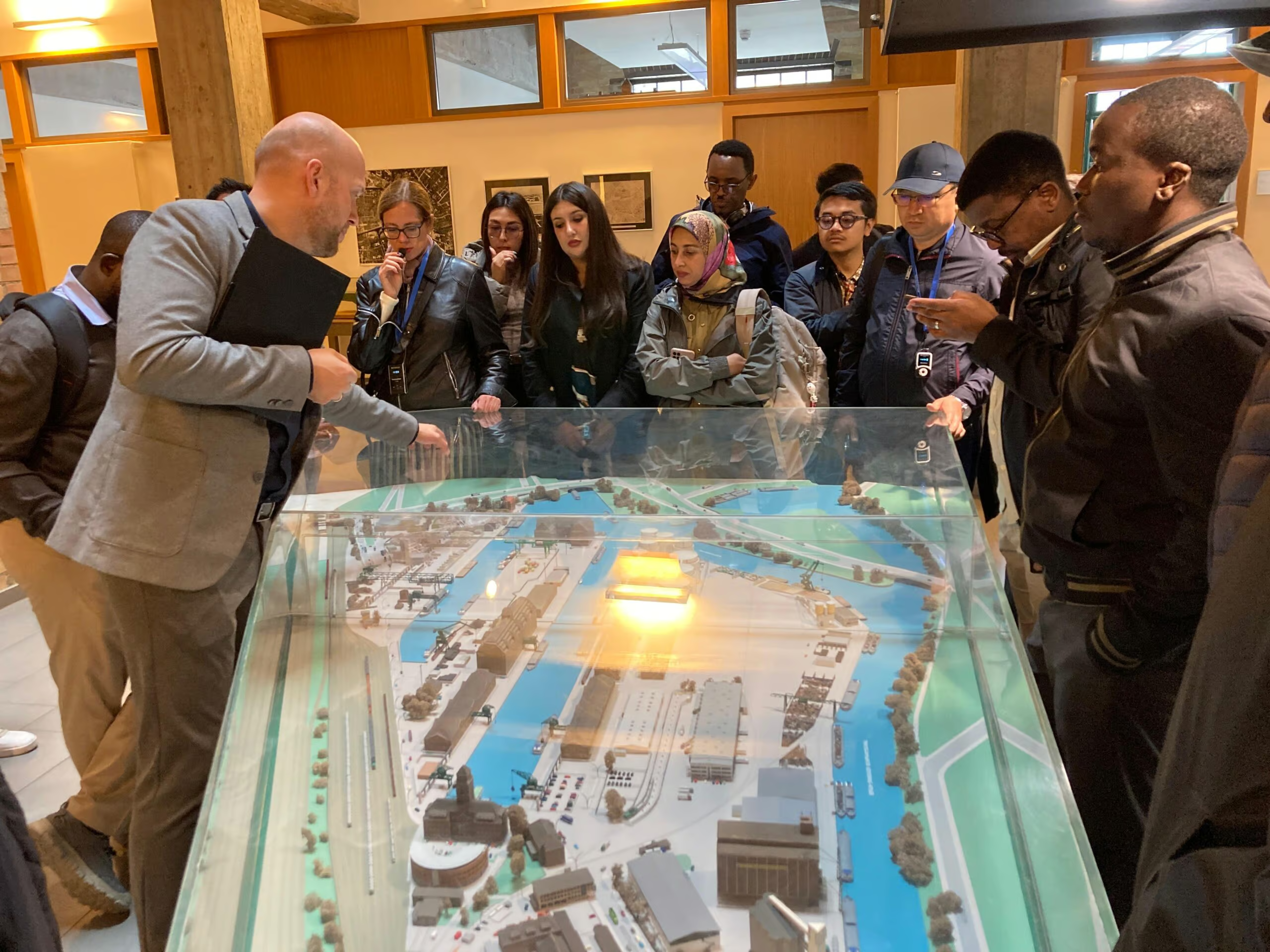
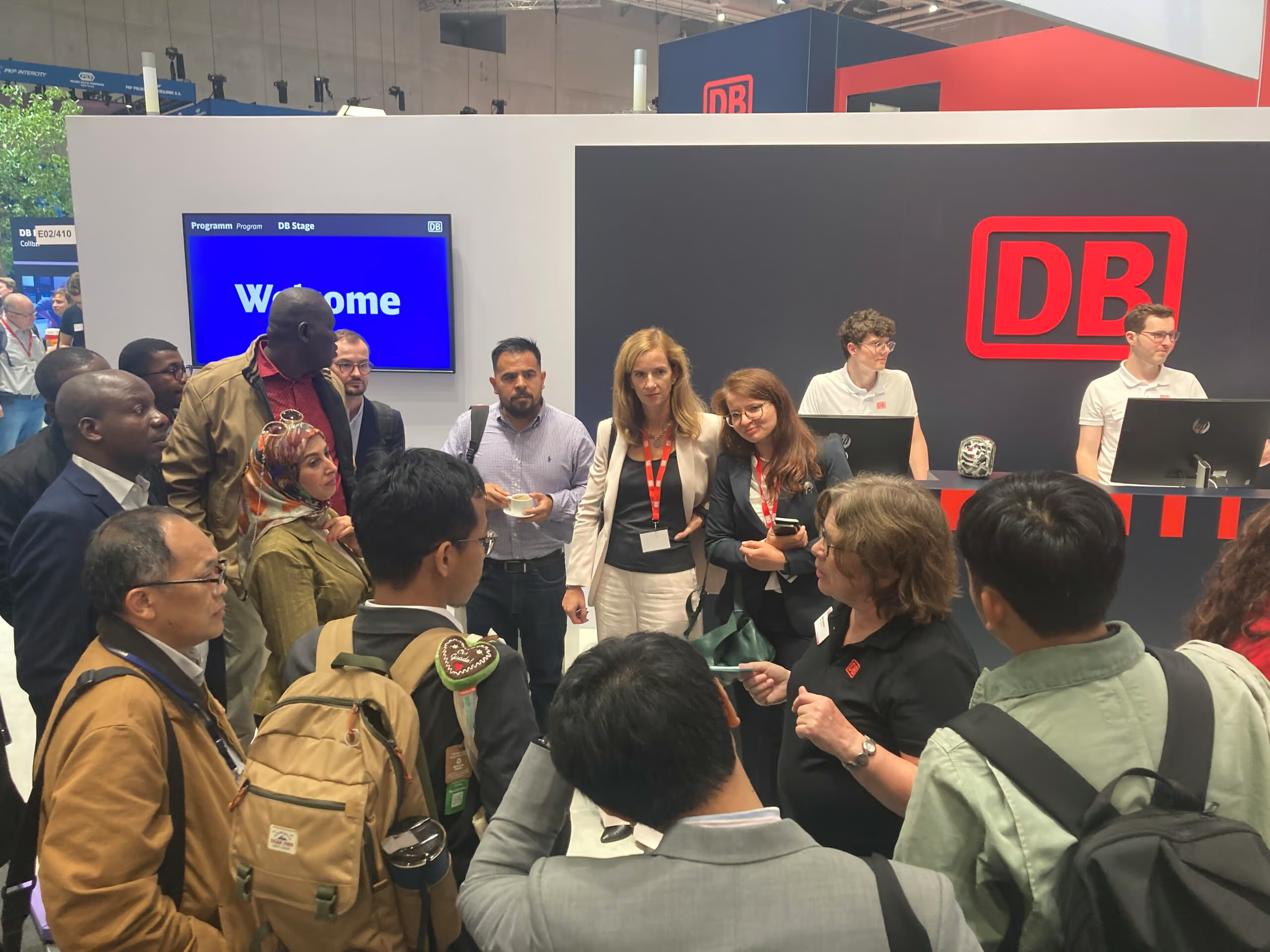
The dialogue formed part of a wider TUMI Rail Study Tour in Berlin, which brought together 50 participants from Africa, Asia and Latin America. The programme included visits to railway facilities and expert talks covering regulation, signalling and operations topics facilitated by partners such BEHALA, Deutsche Bahn and Siemens Mobility.
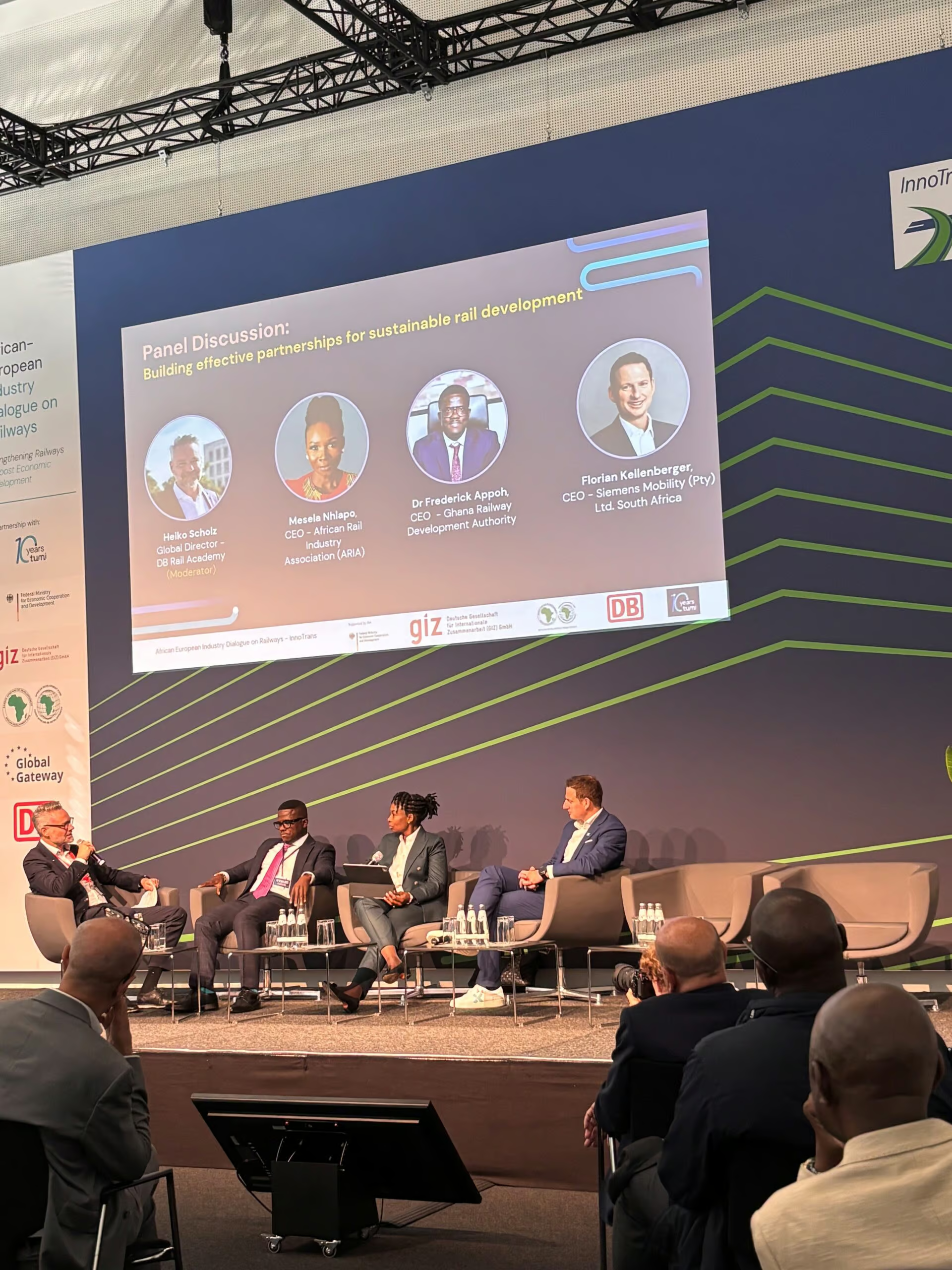
The discussion comes at an important time. Africa’s rail network accounts for an estimated 8% of the world’s total rail network despite the continent being home to 18% of the global population. As the African Continental Free Trade Agreement (AfCFTA) takes effect, cross-border trade is expected to double and reach one-third of the continent’s total trade by 2035. Rail is well placed to carry this growth. It moves large volumes of goods and people over long distances, lowers logistics costs and offers a lower-emission alternative to road transport. Over the next 10 to 15 years, Africa’s rail network could grow by up to 40%, adding about 37,000 km of new tracks. But delivering these benefits takes more than building tracks. Effective corridors also need compatible standards, capable institutions, reliable operations and skilled people.
Drawing on Europe’s experience to support African led priorities
Europe’s Trans-European Transport Network (TEN-T) offers useful experience in developing connected transport corridors and improving interoperability across borders. The way forward is not to copy a European model wholesale. It is to consider how shared technical standards, coordinated planning and cross-border cooperation can be adapted to African contexts.
That work is already relevant across the continent. The African Union is developing pan-African standards and regulations, while regional initiatives, including interoperability standards developed by the Southern African Railways Association (SARA) address practical issues such as safety, wagon exchange and cross-border operations. Consistent approaches can help networks work together and make corridor investments more effective.
The European rail sector brings expertise in areas such as signalling, electrification, rolling stock, maintenance and railway operations, which are capabilities that could support safe, reliable and interoperable networks. Their contribution can be most effective through long-term partnerships that respond to African priorities, strengthen local supply chains and build skills, helping ensure that knowledge and capacity remain in the region.
A commitment to cooperation and skills
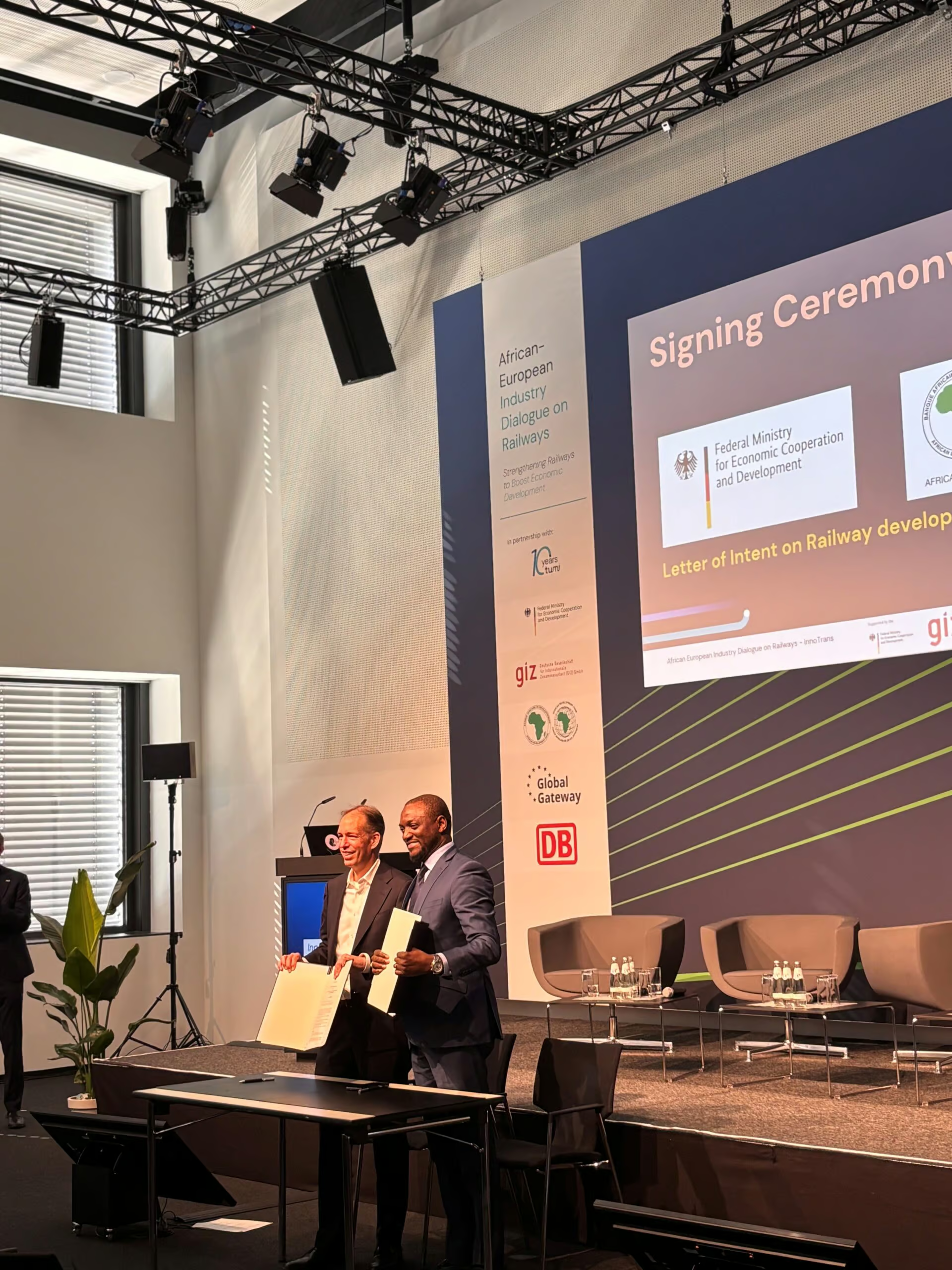
The African Development Bank (AfDB) and Germany’s Federal Ministry for Economic Cooperation and Development (BMZ) established a framework for cooperation on railway development, with the aim of reducing transport costs, strengthening cross-border interoperability, advancing low-carbon transport and supporting skills development. It has been formalised with the signing of a Letter of Intent at InnoTrans. It paves the way for a feasibility study for an African Rail Competence Center to be implemented by GIZ and reflects a central message of the dialogue: sustainable rail development requires local expertise alongside infrastructure investment. Engineers, technicians, operators and regulators need the skills and institutions to plan, manage and maintain railway systems over the long term.
Turning ambition into lasting connections
Rail corridors can strengthen regional trade, create employment and support lower-carbon mobility, but their success depends on sustained collaboration. Governments and regional bodies need clear plans and coordinated standards; companies can contribute technology and long-term partnerships; and development partners can support project preparation, institutional capacity and skills.
The African-European Industry Dialogue provided an important starting point towards building mutually beneficial partnerships across borders. The longer-term task is to translate this shared ambition into interoperable networks, capable institutions and lasting benefits for the people and economies those networks connect. GIZ will continue the dialogue with the African railway operators, Governments and private sector from both regions.